

Relaxation is supposed to leave you better than it found you. When it stops doing that, when the downtime passes, and the weight is still right where it was, the answer usually isn’t more hours on the couch. It’s a different kind of activity altogether.
The 15 relaxing activities below were selected for a specific reason: each is supported by peer-reviewed research on longevity, healthspan, or the prevention of age-related decline. They’re not filler hobbies. They’re leisure that earns its place.
Why Downtime Looks Different as We Age
Your body’s capacity to shift between stress and rest changes over time. What once resolved itself overnight now requires more deliberate intervention during waking hours. Two categories of change explain most of the difference.
Neurological and Hormonal Shifts
The parasympathetic nervous system, your body’s “off” switch, grows sluggish with age while the sympathetic “on” switch stays reactive. Hormonal fluctuations compound this: cortisol spikes take longer to clear, and the daily cortisol rhythm that should taper by evening flattens instead. A 2023 review in Maturitas confirmed that aging disrupts cortisol’s diurnal pattern and weakens the feedback loop that brings it back down.
Physiological and Sleep Changes
Deep, restorative sleep naturally decreases with age. A 2023 study in JAMA Neurology found that even a 1% annual reduction in deep sleep after 60 corresponded to a 27% higher risk of dementia, and the decline begins well before then.
Meanwhile, basal metabolism and muscle mass gradually drop, meaning daily activities demand more physical effort and accumulate subconscious muscular tension. Relaxing activities need to be more targeted and more physiologically effective than passive downtime to bridge this widening gap.
Purposeful Relaxation and Longevity
Purposeful relaxation means choosing activities specifically because they produce a measurable physiological benefit: lower cortisol, parasympathetic activation, improved cardiovascular markers, or stronger cognitive resilience. It’s the difference between downtime that runs out the clock and downtime that adds to it.
Every activity below meets that threshold. This isn’t a hobby list. It’s a longevity strategy that happens to feel like leisure.
Spend real time outdoors.
Researchers in Japan have spent decades studying shinrin-yoku, or forest bathing: slow, immersive time in natural environments. The data consistently shows that it lowers cortisol, reduces blood pressure, and activates the parasympathetic nervous system, and you don’t need a forest; a park, a trail, or a lake will do. Aim for 20–30 minutes of unhurried, phone-free time outdoors.
Long-term, regular nature exposure is associated with lower rates of cardiovascular disease, the leading cause of death in men over 45. Few relaxing activities offer that kind of return for that little effort.
Pair a sauna with a cold plunge.
This practice, known as contrast therapy, alternates heat exposure (sauna, hot bath) with cold exposure (cold plunge, cold shower). Regular sauna bathing is associated with reduced cardiovascular mortality, improved vascular function, and lower systemic inflammation, while cold exposure activates the vagus nerve and helps regulate your parasympathetic response. The combination creates a nervous system reset that passive rest can’t replicate.
Start cooking from scratch.
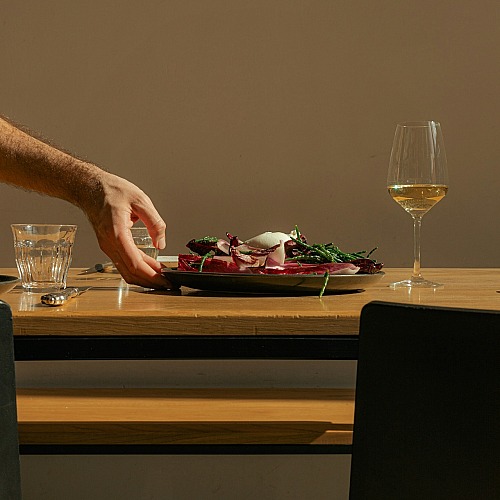
Cooking engages your hands, your senses, and your focus in a way that pulls your brain out of rumination. It’s a tactile, creative activity that produces something tangible, which is inherently satisfying for a brain that’s spent the day managing abstractions. The nutritional payoff compounds: men who prepare their own meals tend to eat better, and better nutrition directly supports the hormonal and metabolic systems that determine how well you age.
Learn or return to a musical instrument.
Playing music engages both hemispheres of the brain simultaneously, strengthens neuroplasticity, and produces a measurable reduction in cortisol. If you played something years ago and dropped it, pick it back up; the muscle memory is still there, and the relearning curve is shorter than you think.
Lifelong musical engagement is linked to preserved cognitive function and reduced risk of age-related cognitive decline. That combination of immediate stress relief and long-term cognitive protection is rare in any leisure pursuit.
Practice deliberate breathwork.
Controlled breathing is the fastest, most accessible way to activate your parasympathetic nervous system. Techniques like box breathing (four seconds in, four seconds hold, four seconds out, four seconds hold) or extended exhale breathing directly stimulate the vagus nerve and lower heart rate within minutes.
Over time, regular breathwork improves heart rate variability, one of the most reliable biomarkers of cardiovascular health and biological age. It costs nothing and takes five minutes.
Work with your hands.
Woodworking, gardening, model assembly, and metal working are activities that combine sustained attention with a tangible result occupy the mental channels that rumination uses. You can’t rehearse tomorrow’s meeting while concentrating on a dovetail joint or transplanting seedlings.
These activities put you in environments (a workshop, a garden) that naturally support decompression. Research on leisure-time engagement consistently links hands-on creative activities to lower mortality risk in older adults.
Walk without a destination.
Not for exercise, not to hit a step count. Just walk. Rhythmic, low-intensity movement at a pace that lets your breathing deepen and your thoughts wander activates the parasympathetic system more reliably than sitting still.
Leave the phone at home or in your pocket; the absence of input is the point. Twenty minutes of purposeless walking clears more cortisol than passive screen time ever will.
Stretch slowly and deliberately.
That accumulated muscular tension from sitting, commuting, and carrying stress in your shoulders doesn’t resolve on its own. Ten to fifteen minutes of slow, deliberate stretching focused on hips, thoracic spine, and shoulders releases physical tension your body has been holding all day. Pair it with slow breathing and you’ve combined two parasympathetic triggers in one practice.
Read a real book.
Screens stimulate. Paper settles. Reading a physical book for 20–30 minutes activates your brain’s default mode network, the same system involved in reflection, creativity, and emotional processing, without the blue light and micro-stimulation of a device. Research links regular reading to reduced stress, improved sleep, and slower cognitive decline.
Pick up a camera.
Photography forces you to see your surroundings instead of scrolling past them. It combines outdoor time, creative focus, and a meditative quality that most people don’t expect until they try it. The practice trains your attention toward the present, which is the opposite of what stress does.
Swim at an easy pace.
Swimming combines rhythmic movement, controlled breathing, and near-total sensory reduction into one activity. The water supports your joints while your cardiovascular system does gentle, sustained work. Regular swimmers show lower all-cause mortality rates than sedentary adults, walkers, and runners in multiple longitudinal studies.
Write things down.
Journaling isn’t about crafting prose. It’s about externalizing the mental loops your brain runs when it can’t shut off. Writing down what’s occupying your mind, even in messy, unstructured form, reduces the cognitive load of carrying it and is linked to lower cortisol, improved immune function, and better sleep. Five minutes before bed is enough to notice the difference.
Try yoga or tai chi.
Both disciplines combine controlled movement, breathwork, and focused attention into a single practice. Yoga improves flexibility and reduces muscular tension; tai chi emphasizes balance, coordination, and slow, flowing movement patterns that lower blood pressure and calm the nervous system. Neither requires athleticism to start, and both have decades of evidence supporting their effects on stress reduction and longevity.
Play strategy games or put puzzles together.
Chess, Go, complex board games, or a well-designed puzzle engage your brain’s problem-solving systems without triggering the stress response. They’re absorbing enough to displace rumination and social enough to strengthen connections if you play with others. Cognitive engagement during leisure, not passive consumption, is consistently linked to slower age-related cognitive decline.
Experience float therapy.
Sensory deprivation tanks (float pods filled with body-temperature saltwater) remove virtually all external stimuli: light, sound, gravity, and temperature variation. The result is a rapid drop in cortisol and a deep activation of the parasympathetic system that most people have never experienced through any other method. Sessions typically run 60–90 minutes, and the sustained cortisol reduction supports the same cardiovascular and immune markers that longevity researchers track most closely.
Redefining Rest as a Long-Term Investment
Relaxing activities aren’t a luxury, and they’re not what you do when you’ve earned it. Approached with purpose, they’re active maintenance on the systems that determine how well you age: your cardiovascular health, your nervous system’s ability to shift gears, your hormonal balance, and your brain’s capacity to stay sharp under sustained demand.
Pick one from this list and make it a weekly fixture. Not because you should, but because the version of you at 60 will be glad you did.
This article is for informational purposes only and does not constitute medical advice. Consult your doctor before beginning new physical practices, particularly contrast therapy, if you have cardiovascular or other health conditions. All details were verified at the time of publication and may change without notice.





Leave a Comment
Your email address will not be published. Required fields are marked *