
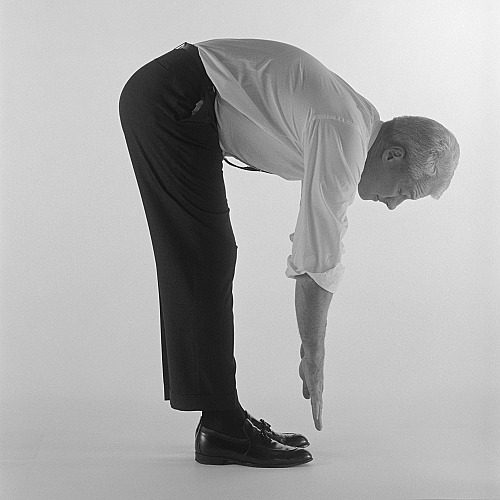
If you’re over 40, you probably don’t have a training problem. You have an exercise recovery problem. You can still push hard in the gym, grind through a weekend project, or keep up on the court. What you can’t do anymore is bounce back like you used to. The soreness lingers. The fatigue stacks. The nagging injuries show up out of nowhere and take their sweet time leaving.
And yet, recovery is the part of the equation you probably invest the least in. The workout gets the attention. The hours between workouts get ignored. After 40, that imbalance catches up fast.
Here’s why recovery matters more at this stage, and how to get it right.
Why Your Body Recovers Differently Now
In your 20s and 30s, your body had a deep bench of resources for repair. Growth hormone production was high. Testosterone was steady. Inflammation resolved quickly. Sleep came easier. Once you cross into your 40s, every one of those systems downshifts.
Growth hormone, which plays a central role in tissue repair, is released primarily during deep sleep. As deep sleep naturally declines with age, so does this repair window.
Testosterone drops roughly 1% per year after 30. Cortisol tends to stay elevated longer under chronic stress. And the low-grade inflammation that builds from years of wear and metabolic strain slows tissue repair even further.
None of this means your body can’t recover. It means recovery now requires intention, not just time.
Why Sleep Is Your Most Powerful Recovery Tool
If there’s one recovery lever that moves everything else, it’s sleep. Muscle protein synthesis, hormone production, and immune function all depend on it. Cut it short, and every other strategy becomes less effective.
A 2020 study published in The Journal of Physiology found that restricting sleep to four hours per night for five nights impaired muscle protein synthesis in healthy young men who did not exercise during the restriction period. If sleep restriction undermines recovery in young, healthy subjects, the effect on men with already-declining growth hormone is compounded.
What good sleep hygiene looks like at this stage:
Seven or more hours per night, consistently
Same wake time every day, weekends included
Room temperature between 60–67°F
Screens off at least an hour before bed
No caffeine after early afternoon
For the nights when you’ve done everything right and your mind still won’t shut off, a prescription option like Rugiet Recharge may be worth discussing with your doctor. It’s a 3-in-1 compounded sleep aid combining ramelteon, doxylamine, and valerian root, designed for occasional use and formulated to be non-habit forming.
Active Recovery Beats Sitting Still
Rest days don’t mean couch days. Light movement on off days increases blood flow, clears metabolic waste, and reduces stiffness without adding training stress.
Good options:
Walking (30 minutes at a conversational pace)
Swimming or water-based movement (easy on joints, great for circulation)
Light cycling or a stationary bike session
Yoga or guided stretching routines
The goal is to stay moving without adding fatigue. If you’re sore from yesterday’s session, a 30-minute walk will do more for your recovery than sitting on the couch waiting for it to pass.
What You Eat After Training Matters More Now
Post-workout nutrition is a critical part of exercise recovery, not just something for bodybuilders. As you age, your body becomes less efficient at using protein for muscle repair, a phenomenon researchers call anabolic resistance. You need more protein, distributed more strategically, to get the same benefit you got in your 30s.
The International Society of Sports Nutrition recommends 1.4–2.0 g of protein per kilogram of body weight daily for active adults. Spreading that across meals (25–40 g per sitting) supports steadier muscle repair than packing it all into one meal.
Beyond protein, anti-inflammatory foods support the repair process. Fatty fish, berries, leafy greens, olive oil, and nuts all help manage the chronic, low-grade inflammation that slows tissue healing with age.
Hydration Is Doing More Than You Think
Water isn’t glamorous, but dehydration quietly undermines everything recovery depends on. It slows nutrient delivery to damaged muscle tissue, thickens blood (reducing circulation), and amplifies soreness. Men over 40 are more susceptible to dehydration because thirst signals weaken with age, meaning you can be underhydrated without feeling thirsty.
A practical baseline:
Half your body weight in ounces daily, more on training days
Add electrolytes (sodium, potassium, magnesium) after heavy sessions or in hot conditions
Don’t wait until you’re thirsty. By then, you’re already behind.
Stress Is Slowing You Down More Than You Realize
Cortisol is a recovery killer. When it stays elevated, it breaks down muscle tissue, promotes fat storage, suppresses testosterone, and wrecks sleep quality. If you’re managing a career, a family, finances, and aging parents, cortisol is rarely in short supply.
You don’t need to meditate for an hour or quit your job. But small, consistent habits make a real difference:
A 20-minute walk outside after work (natural light helps regulate cortisol rhythm)
Five minutes of focused breathing before bed
Setting one boundary this week: say no to one thing that doesn’t serve you
Managing stress isn’t soft. It’s how you keep cortisol from undoing the work you put in at the gym.
Mobility Work Pays Dividends You Won’t See Right Away
Flexibility and joint range of motion decline with age. Cartilage wears. Connective tissue stiffens. Mobility work won’t feel like much in the moment, but over months and years, it’s what keeps you moving well enough to keep training.
Ten minutes at the end of each session is enough:
Hip openers and hip flexor stretches (counteracts sitting)
Thoracic spine rotations (protects shoulders and upper back)
Ankle mobility drills (supports squat depth and knee health)
Foam rolling major muscle groups (reduces delayed onset muscle soreness and improves blood flow)
Know the Difference Between Sore and Hurt
Delayed onset muscle soreness (DOMS) is normal. It peaks 24–48 hours post-workout and resolves within a few days.
Pain is different. Sharp, localized discomfort in a joint or tendon. Pain that worsens with movement rather than easing after a warm-up. Anything that lingers past 72 hours. These are signals to back off and see a professional.
At this point in life, the line between pushing through and making something worse gets thinner. Learning to read your body’s signals is a recovery skill that saves you weeks on the sidelines.
Exercise Recovery Is Where the Results Happen
Exercise breaks your body down. Recovery builds it back up. The gap between those two processes widens with age, and the guys who stay strong, mobile, and injury-free are the ones who respect that gap.
Sleep well. Use your rest days for active recovery. Stay hydrated. Eat enough protein. Manage your stress. And learn the difference between discomfort you can train through and pain you shouldn’t ignore.
The workout creates the demand. What you do between sessions determines the payoff.
This article is for informational purposes only and does not constitute medical advice. Rugiet Recharge is a compounded prescription medication that requires evaluation and supervision by a licensed healthcare provider. Individual results may vary, and this medication may not be appropriate for everyone. Consult your doctor before beginning or modifying an exercise program, and discuss potential risks, benefits, and side effects of any medication. All product details were verified at the time of publication and may change without notice.






Leave a Comment
Your email address will not be published. Required fields are marked *